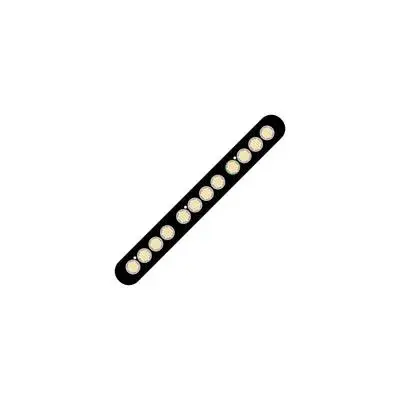
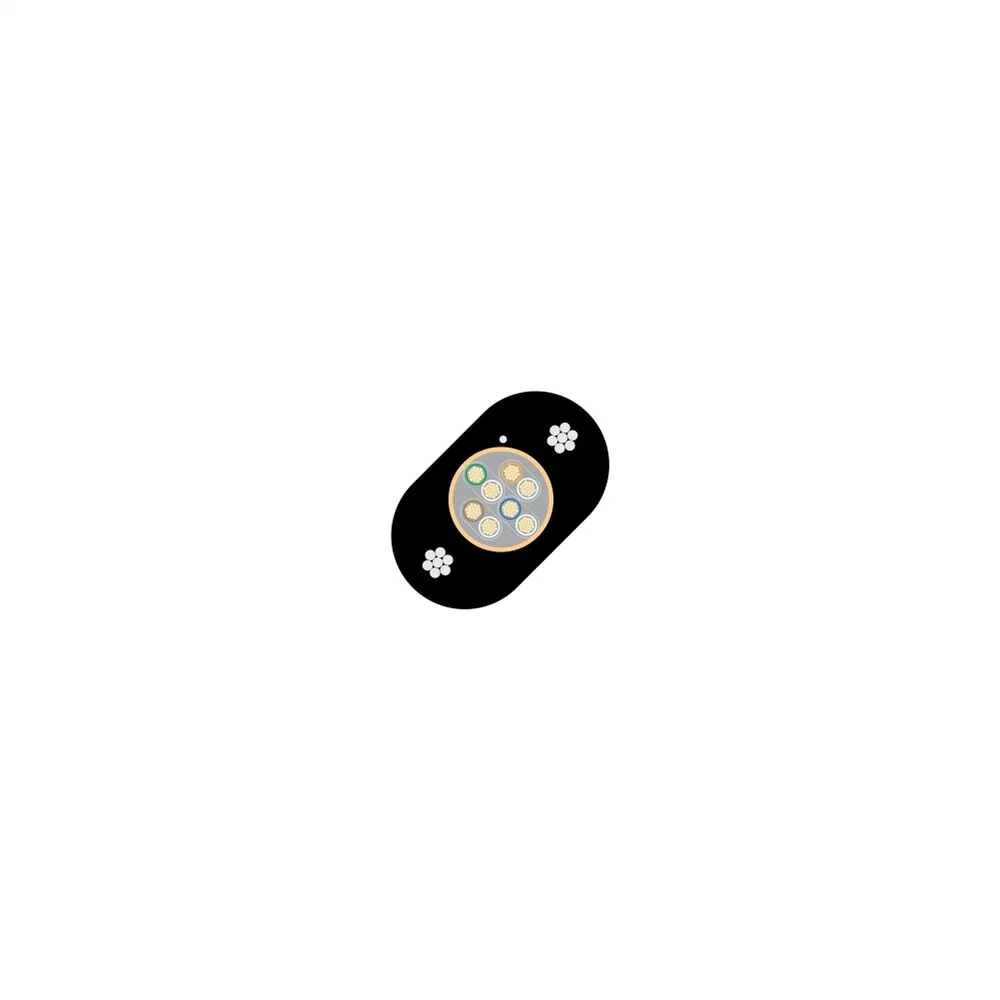
Elevator cables are essential components that carry power, communication and signals between the elevator car and the control system. Thanks to their superior conductors, high flex resistance and insulation that meets safety standards, they keep all of the elevator’s electronic functions running reliably.
The power required to run components such as the main elevator motor, door operator and control panel is carried by purpose-built elevator power cables. These cables stand out for their high current-carrying capacity, flame-retardant insulation and long cycle life.
Signals from the car operating panel, inspection and limit switch circuits, door lock signals and emergency communication data are carried to the control panel via signal cables. These highly flex-resistant cables are made specifically for moving system structures.
The cables required in elevator systems are manufactured in different technical designs according to their function. Choosing the right cable is critical for system efficiency and safety.
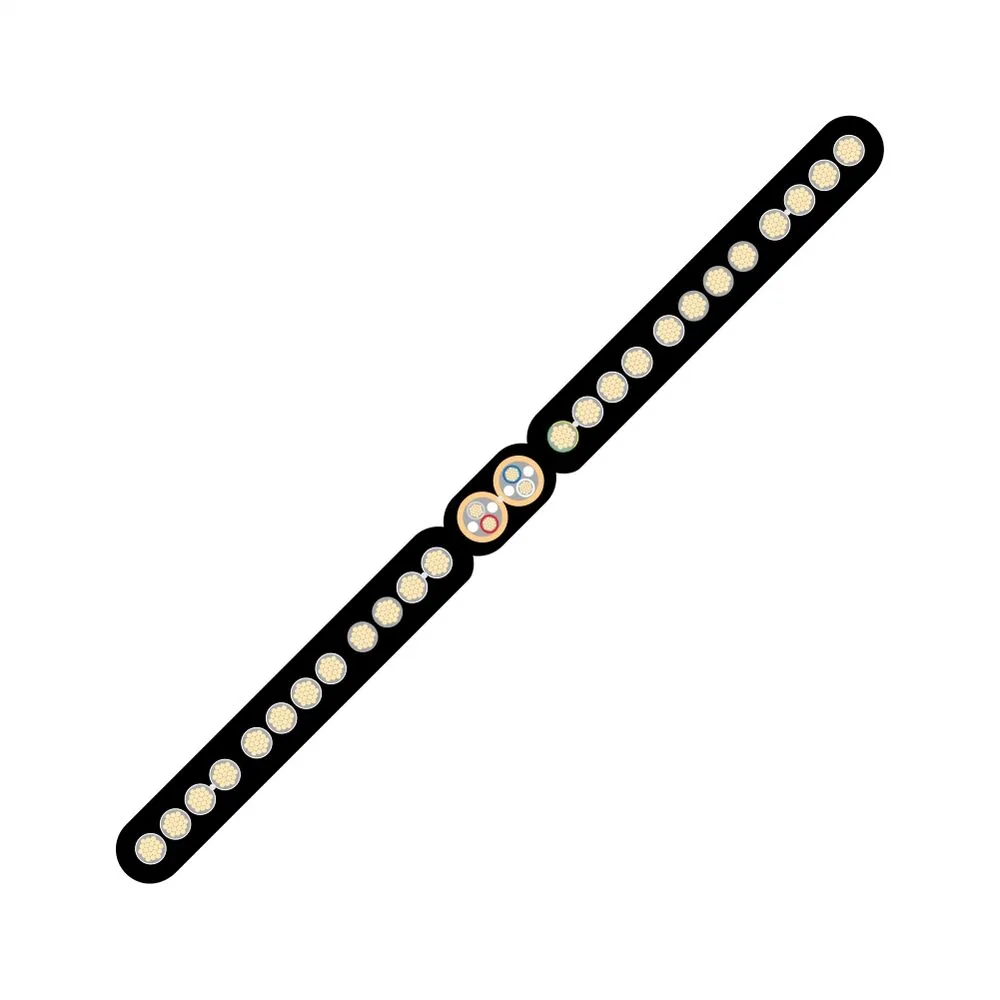
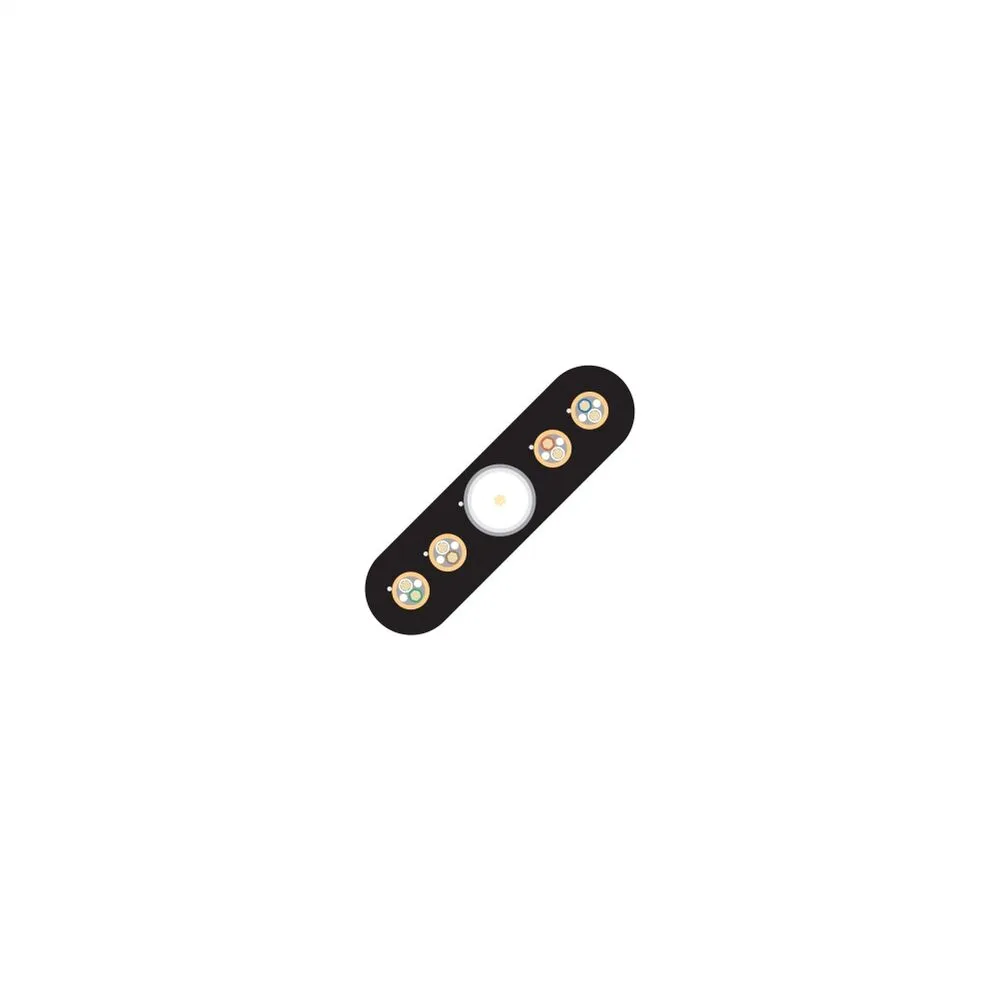
It is highly flexible, designed to withstand constant bending and flexing as the car moves. Special PVC or elastomer jackets are used so that performance does not degrade over millions of operating cycles.
Used along fixed routes, these cables are preferred for cable trays or in-panel wiring. Their signal-carrying capacity, copper conductor quality and insulation ensure a long service life.
Cable design should be selected based on the movement of the wire ropes, compensation chain and connection equipment. A poor cable-to-rope match can lead to noise, vibration, wear and a risk of breakage.
The constantly repeating cycle of car movement is where cables are under the most stress. Therefore, the cable you choose must have:
high bending tolerance,
resistance to millions of cycles,
a robust outer jacket.
Cables that comply with EN 50200 and similar standards retard flame spread and minimize smoke generation in the event of a fire. This feature is now a mandatory safety criterion in modern elevators.
Due to the sensitive nature of elevator electronics, it is important to use shielded cable to prevent interference on signal lines. EMC compliance is a critical requirement, especially in projects with heavy electronic traffic.
Ensuring that cables move without rubbing against the wire ropes, compensation chain and car components is one of the most important stages of installation. The cable route should be planned to prevent friction, knotting, pinching or kinking.
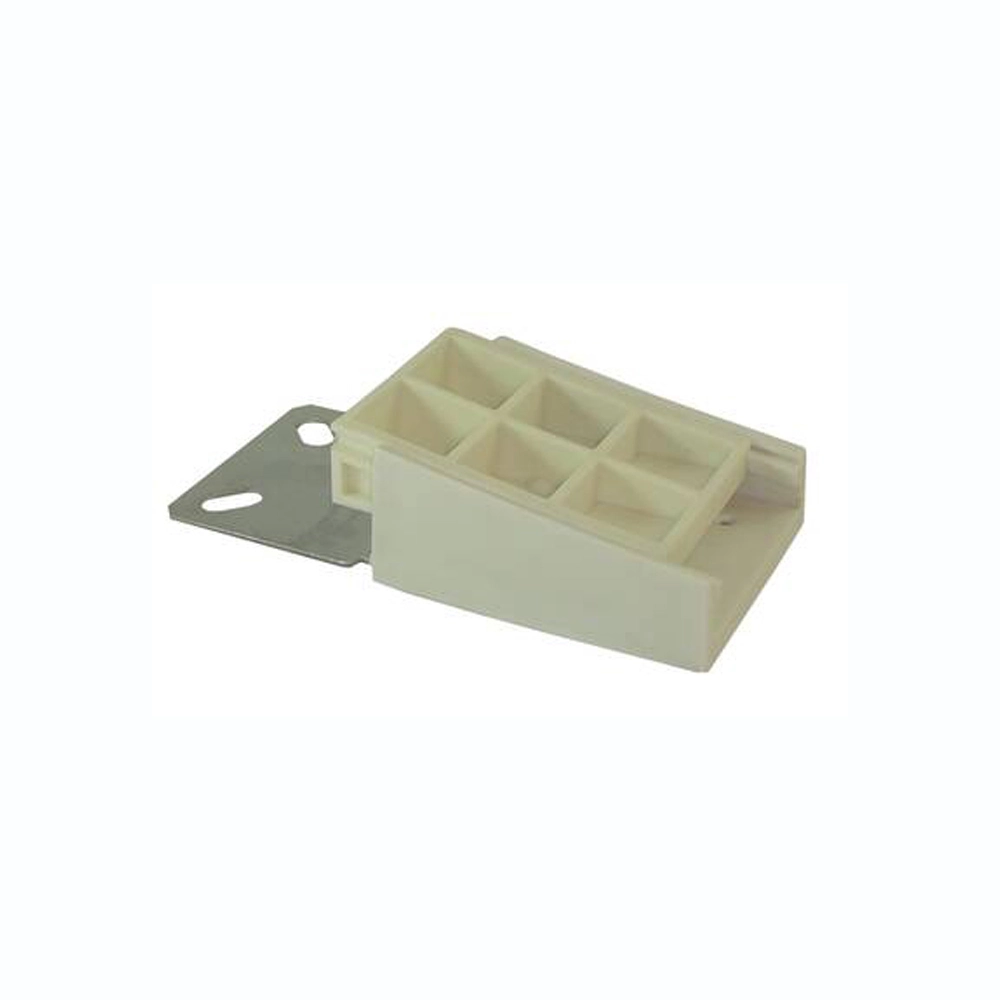
Choosing low-quality cable lugs, clamps, connectors and clips can lead to transmission losses or mechanical breaks. In elevator installation, the quality of connection hardware is one of the factors that determine cable service life.
Over time, cable insulation can wear due to car movement and environmental conditions. Regular maintenance should include:
insulation testing,
checking the tightness of connection points,
detection of broken conductors.
Widely preferred by installation and maintenance companies across Türkiye, İntegra Asansör offers flat cables, power cables, wiring cables, signal cables and cable accessories from stock.
Our products comply with EN standards and are tested for high-cycle applications. They are fully compatible with both new installations and modernization projects.
We offer technical team support for choosing the right cable, project-specific recommendations on cross-section and number of cores, guaranteed stock and fast shipping.