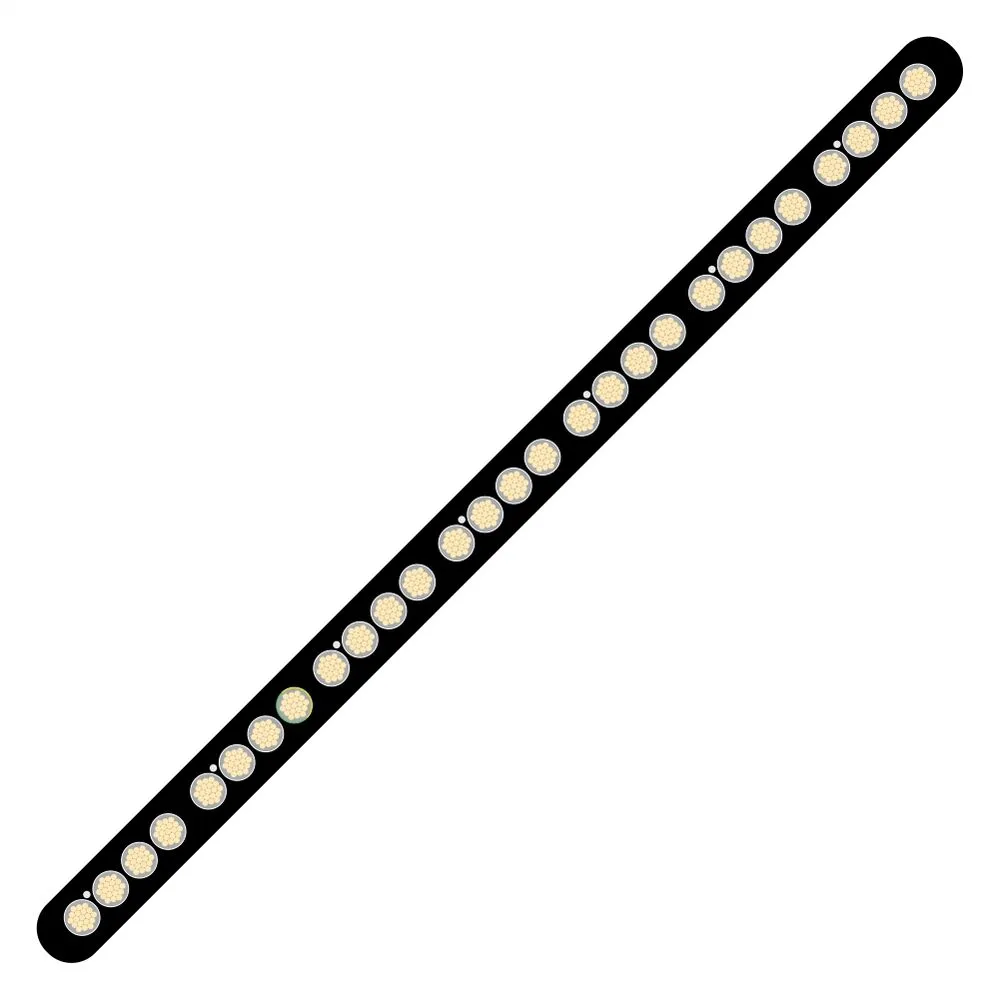
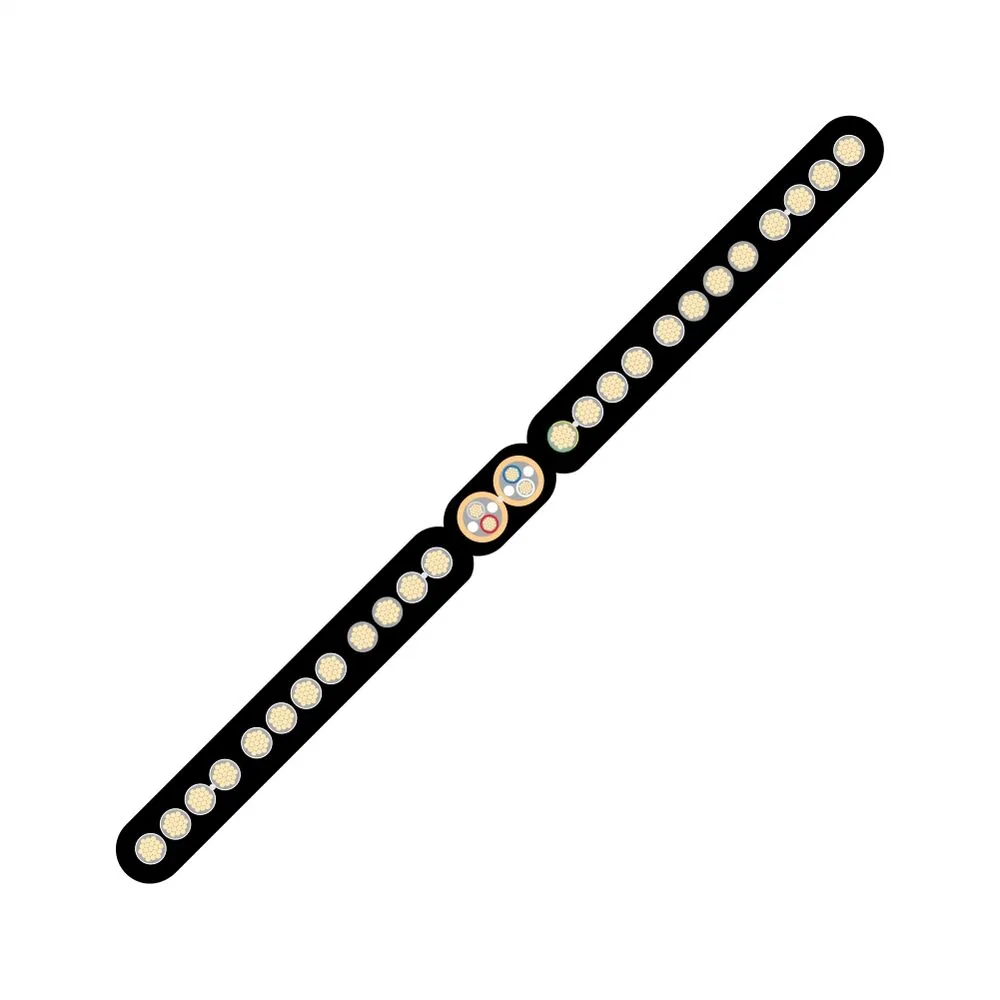
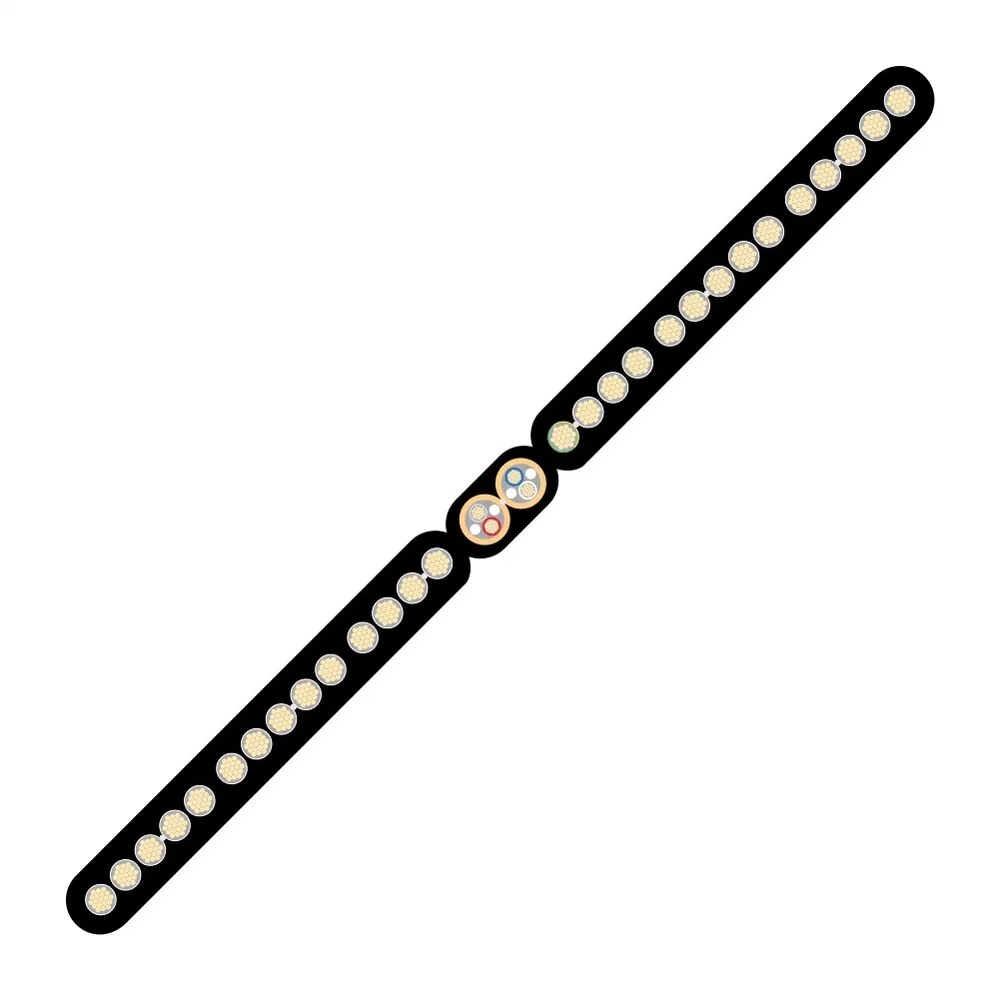
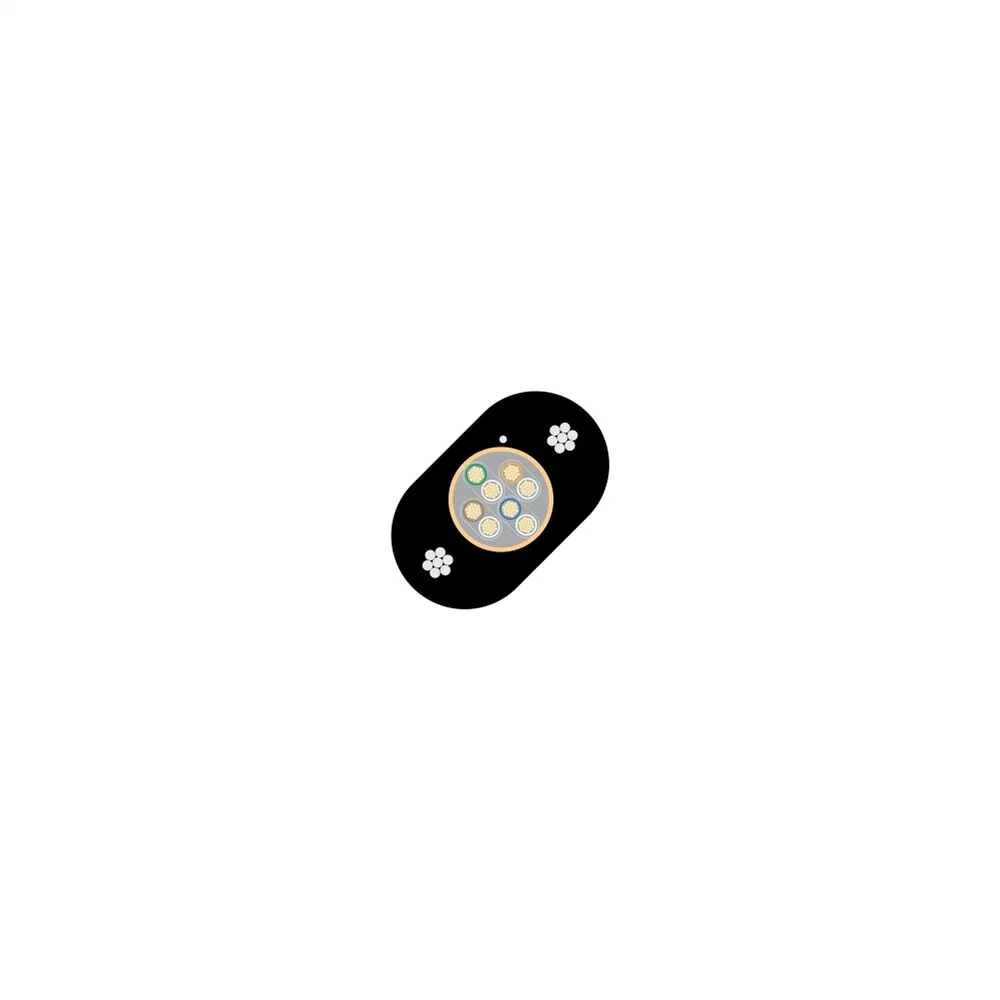
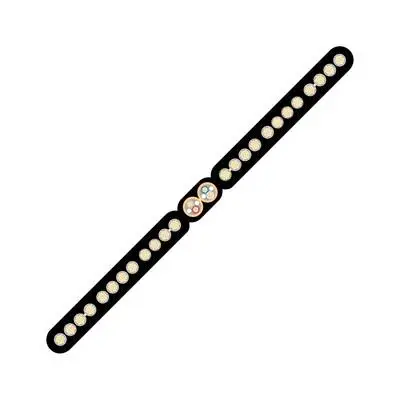
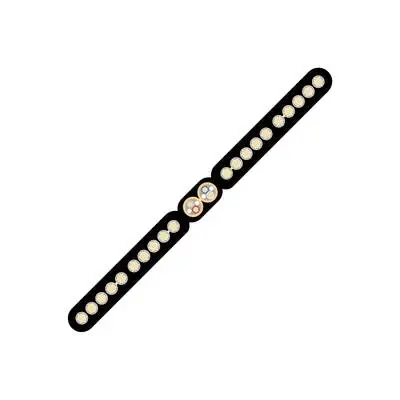
Unlike conventional round cables, the flat flexible cables used in elevator systems have a flat construction. These cables are used in control panels, car and landing operating panel connections, and moving cable runs. Because the cable must fold, bend and flex continuously as the elevator travels up and down, the flat construction and flexibility are critical for long service life and trouble-free operation.
Flexible construction: Because an elevator cable constantly moves up and down, it must withstand bending and repeated changes of shape. Flat flexible cables meet this need.
Space-saving: The flat form takes up less space in cable trays, narrow gaps and behind the car — making installation easier.
Safe power and signal transmission: With PVC-insulated, finely stranded conductors, it provides safe and stable transmission for both power and control/signal wiring.
The 8×19 construction, with its thick outer wires, provides high breaking strength; ideal for elevator safety.
Flat elevator cables are generally manufactured to TS/EN standards. For example, H05VVH6-F type cables, with 300/500 V nominal voltage, PVC insulation and outer sheath, are used as power/signal cables.
Finely stranded, annealed copper conductor (flexible stranded) — resistant to bending and fatigue.
PVC insulation and sheath — insulation and protection against external factors.
Multi-core options: from 6 × 0.75 mm² up to 24 × 1 mm², so the right cable can be selected whether low-current or power supply is required.
Flat flexible cables are used as the moving cable run between the elevator car and the control panel. They are especially preferred in low- to medium-speed elevators and in systems with a free hanging length of up to 35 meters.
Equipment such as signal transmission from landing and car operating panels to the control panel and control system, emergency alarm, lighting and door control requires a suitable cable structure — flat cables offer advantages in these connections.
The elevator’s capacity, number of floors and the needs of its electrical/electronic equipment determine the cable cross-section and number of cores. Therefore, when selecting a flat cable, the cross-section and number of conductors suited to the system’s requirements should be taken into account.
Depending on manufacturer specifications and standards, flat cables are generally recommended for use within limits of free hanging length ≤ 35 m and travel speed ≤ 1.6 m/s. Above these limits, special cables with a supporting steel rope should be preferred.
PVC-insulated and sheathed cables must meet technical criteria such as a 300/500 V – 450/750 V nominal voltage class, ±70 °C operating temperature and compliance with TS/EN cable standards.
At İntegra Asansör, we offer certified, tested flat flexible cables designed specifically for elevator applications. With fast supply from stock, various core and cross-section options, easy installation and technical support, we provide reliable cable solutions for your projects.